Blog

Nutrition sensitive agriculture in Lao PDR and Vietnam

Background

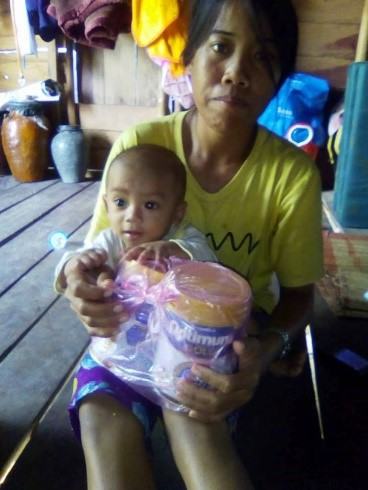
Despite significant development progress in recent years, hunger remains a significant problem in Lao PDR, with 44% of children under 5 years old being malnourished placing their lives at risk and damaging their lifelong health. This issue is particularly severe in Nong District, one of the poorest areas in Lao PDR, and where the people can suffer food shortages for many months in the year. To tackle these problems MCNV takes a nutrition-sensitive approach to its agricultural and livelihoods work within some of poorest villages in the district.

MCNV’s responses

This approach seeks to maximize agricultures contribution to nutrition and recognizes the multiple benefits derived from enjoying a varied and nutritious diet, the social significance of food and the importance of agriculture in supporting rural livelihoods. Instead of focusing exclusively on crop production for the market, villagers use their land to cultivate a variety of commodities including fruits, vegetables, small livestock and fish. In Nong, MCNV has supported this approach by supporting the development of fish ponds, providing seeds and equipment for home gardens and strengthening village veterinary services to ensure healthy livestock. MCNV’s approach to agriculture also entails promoting gender equity, and providing nutrition education so that household resources are used to improve nutrition, especially that of women and young children. For example, the approach looks at the division of labour between men and women, to ensure mothers have enough time to breastfeed their infants. Finally, MCNV adopts a multi-sectoral approach to nutrition linking agriculture to sectors that address other causes of malnutrition, namely education, health and social protection.

Achievements

Through working in partnership with organisations ranging from village development committees to the Ministries of Agriculture, MCNV has improved agricultural production whilst preserving the soil, land and water that villagers depend upon, but most importantly it has helped to reduce hunger and malnutrition improving the health of children with lifelong benefits.

Future direction

In the coming years MCNV is working with the Food and Business Knowledge Platform and VU University in the Netherlands to conduct research into the impacts of nutrition-sensitive agriculture to ensure that it can be scaled-up so many more people in Lao PDR and elsewhere can benefit from this approach.

http://knowledge4food.net/research-project/scaling-up-nutrition-sensitive-agricultural-initiatives-in-vietman-and-laos/
Read more

People with a mental illness in Quang Tri

Spring Campaign:  MCNV magazine 2016-01

In the beginning of 2016, MCNV called attention to support people with a mental illness, like Ken, a young boy who lived in a wooden cage for many years, his schizophrenia seemingly untreatable.

Read more

Orphans in Ha Long

Christmas campaign MCNV magazine 2015-04

The December 2015 Campaign was devoted to grandparents in Ha Long taking care of their grandchildren, the parents having died of hiv/aids.

Read more

Occupational therapy for disabled people

Autumn Campaign: MCNV magazine 2016-03

In the autumn of 2016 we asked for your contribution to start up a professional training program for occupational therapists in Vietnam.

Read more

MCNV supports the provision of water supplies in remote villages in Lao PDR

Access to clean water is vital to health and MCNV has been pleased to support the installation of boreholes in remote villages in Nong District, Lao PDR.

Read more

Dutch Open 2016 marked another year of Good Will and Charity Spirit of the Dutch Business Community and Partners in Vietnam

On Friday, November 25th, the Dutch Business Association in Vietnam (DBAV) hosted their 3rd annual charity golf tournament on the fairways at Song Be Golf Course.

Read more

MCNV’s 40-years history

In 1968, the Dutch medical doctors Professor Jaap de Haas, Dr. Nick van Rhijn and Dr. Fred Groening founded the Medical Committee Netherlands-Vietnam. They were indignant about the Americans’ technological warfare in Vietnam and distressed by the suffering of the Vietnamese people.

Read more

Support the worker bees of Vietnam

All over Vietnam women are working hard, in the rice-fields, in small shops and restaurants, but also sweeping streets in Hanoi and Ho Chi Minh City in the dead of night. These women work as busy bees, but what if something goes wrong?

Read more

MCNV Magazine 2016-04

Link to MCNV Magazine 2016 number 4 (magazine in Dutch).

Read more

Learning through health research

Background

Research is vital for informing and underpinning MCNV’s interventions and ensuring that we can understand their impact. It also helps to ensure that knowledge is generated to inspire new ideas, catalyse innovations, and provide evidence to policy makers to inform their decision making and help ensure that policies are effectively implemented. The publication of research also helps to inform others of new processes, methods, techniques and ways of thinking that contributes to improved ways of working to reduce poverty and improve health.

MCNV’s responses

In Lao PDR, MCNV runs the LEARN (Lao Equity through policy Analysis and Research Networks) this a 5 year program that is funded by the EU Commission to enhance the capabilities of public health institutes in Laos. Working together with a range of partners the program aims to ensure that the Laos National Institute of Public Health becomes of centre of excellence for the provision of evidence-based and contextually adapted policy advice. This evidence is used to enhance decision making and improve the implementation of health policies both within Laos and the wider Greater Mekong Sub-region (GMS)

LEARN brings together a unique range of partners to achieve this goal. As well as the Laos National Institute of Public Health, LEARN also brings together the University of Health Sciences in Laos, the VU University in the Netherlands, the Hanoi School of Public in Vietnam and MCNV, an international NGO that has been working in the health sector in the GMS for many decades.

These partners come together to help ensure that:

  • Effective and convincing evidence is available to policy-makers who are better able to use it for policy making and programming
  • The National Institute of Public Health and its partners have increased access to finance, skilled human resources and information.
  • Researchers are able to produce high quality research and are able to convincingly present results and recommendations to a wide range of stakeholders.

Expected results

During its 5 year implementation the program will support a range of activities including;

  • International scholarships for Lao researchers to gain Phd’s
  • A joint Masters in Public Health Program between University of Health Sciences and Hanoi School of Public Health
  • Upgrade of IT facilities and introduction of public health e-learning resource centre
  • A research grant scheme to support the production of high quality research with Laos
  • Development of a long-term strategic plan for National Institute of Public Health
  • A wide range of workshops and trainings in areas ranging from ethics, transdisciplinary research practice, and production of policy briefs.

In addition to this major project, MCNV also conducts research in a wide range of areas including the impact of its agricultural interventions on nutrition and how these can be scaled-up, the use of IT in development, the control and prevention of malaria, the effectiveness of self-help groups in empowering people living with HIV and examining barriers to policy implementation in areas as diverse as the provision of mental health services and access to mother and child healthcare. Research is often conducted in partnerships with Dutch Universities such as VU University. The research is action-based and reflective and is designed to ensure that all people are involved in the process, for complex issues such as malnutrition, multiple stakeholders and engaged in the research and transdisciplinary approaches are used. MCNV’s works in research helps us to understand better the world around us and ensures we can support people within development processes to make the world a better place.

Read more